Exploring the Rise of Idle Games in the Open World Gaming Revolution
In recent years, the gaming world has seen a notable shift, particularly with the emergence of both idle games and the expansive realms of open world games. These types of games have resonated with players for their unique mechanics, allowing players to engage in less demanding experiences while still feeling a sense of achievement. But what does this mean in a gaming landscape that has traditionally favored action-packed, high-adrenaline gameplay?
The Charm of Idle Games
Idle games, also known as incremental games, have become vastly popular. They allow players to progress without intensive interaction, making them ideal for mobile settings or casual play. The mechanics are simple: players placed in a game can click, earn resources, and level up while often stepping away from their screens. Here are some reasons for their rising fame:
- Accessible Gameplay: Players can enjoy them without dedicating long hours.
- Continuous Progression: Many idle games offer real-time updates even when the player isn’t actively playing.
- Flexible Time Investment: Ideal for balancing life and gaming, fitting into busy schedules effortlessly.
In a world where immediate gratification is sought, idle games provide a solution: you don’t have to put in the hours to feel rewarded. This casual approach has paved the way for many gamers looking for a less time-consuming hobby.
Open World Games: A Growing Trend
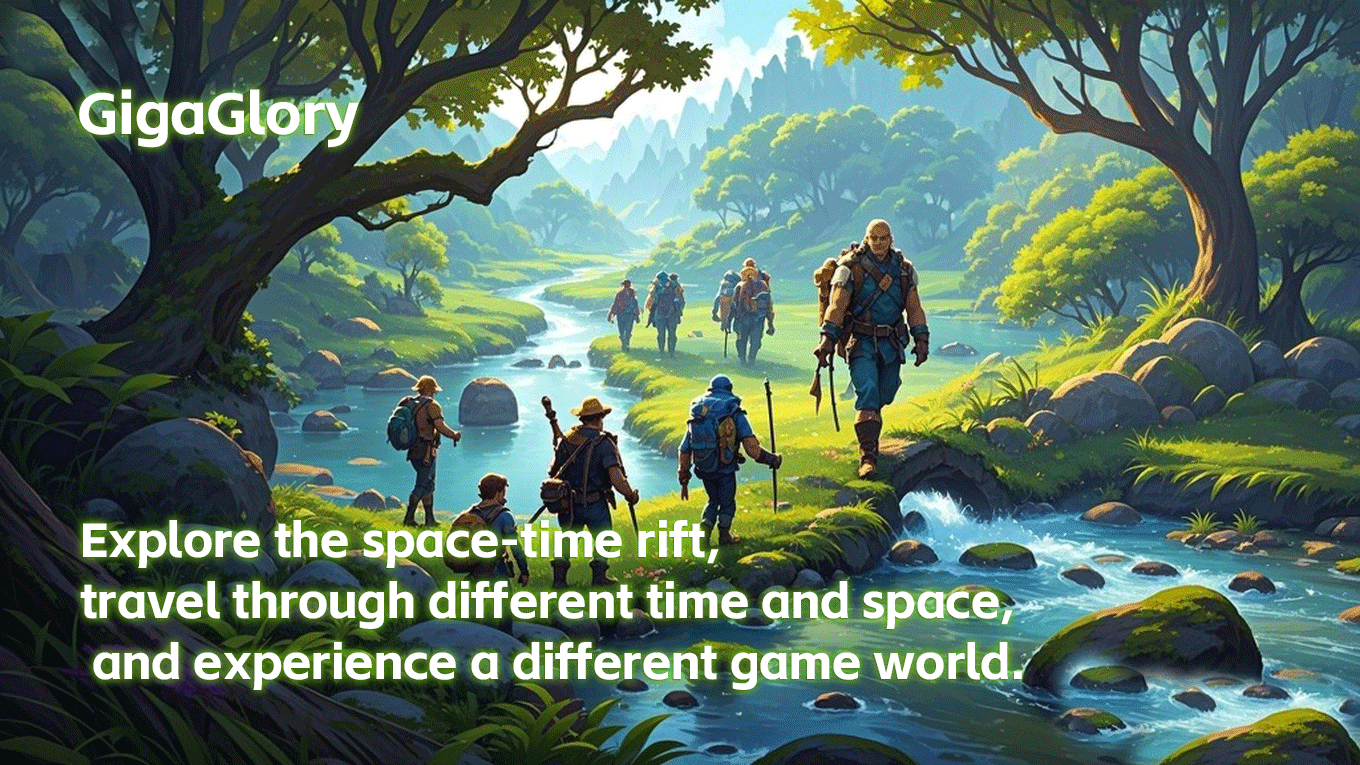
Meanwhile, open world games have carved out a niche that merges vast landscapes with player freedom. These titles invite players to explore detailed environments and engage in rich storytelling, whether through main quests or side missions. Popular franchises like "The Legend of Zelda" and "Grand Theft Auto" let players experience immersive worlds where they write their own adventures. Players can choose the pace, making it distinct from linear experiences.
| Features | Idle Games | Open World Games |
|---|---|---|
| Player Engagement | Minimal | High |
| Time Commitment | Low | Variable |
| Exploration | Limited | Extensive |
| Progression | Automated | Player-driven |
How Idle Games Fit in the Open World Landscape
As open world games continue to evolve, it’s interesting to see how they incorporate idle mechanics. Some titles now blend RPG elements with idle gameplay, creating a hybrid experience. This duality allows gamers to engage in free offline RPG experiences, where they can accumulate resources and upgrade characters without constant input. Popular titles may even combine traditional storytelling with idle elements, offering quests that players can initiate and let unfold over time.
Potential Challenges Ahead
Despite their success, both idle and open world games face multiple challenges. One such issue is the dreaded verdict that players often share: "Cod Modern Warfare crashes after match." Technical problems can overshadow the gaming experience. Players invest time and resources, only for the game to suddenly crash, leading to frustration and potential loss of progress.
Moreover, players are increasingly discerning about quality. They seek not just any idle game or expansive world but experiences that resonate deeply with them. Thus, developers need to innovate continually to hold gamers’ interest. As technology advances, the barriers between these gaming genres may further blur, pushing developers to deliver seamless, engaging, and increasingly complex games.
Conclusion
The rise of idle games amidst the burgeoning open world trend presents a fascinating chapter in gaming history. By offering casual yet rewarding experiences, these games appeal to a wide audience. As they continue to evolve, there's potential for more creative synergies between the two genres. Whether you’re looking for an escape in a vibrant open world or an idle endeavor to enjoy on the go, the future certainly seems bright for gamers. Will players choose idle relaxation, or will they seek rich adventures? Only time will tell!